The Bell’s student reporters take SXSW EDU by storm
At SXSW EDU in March, students recorded a live podcast about the impact of teen journalism, led an all-day youth activation and networked with professionals
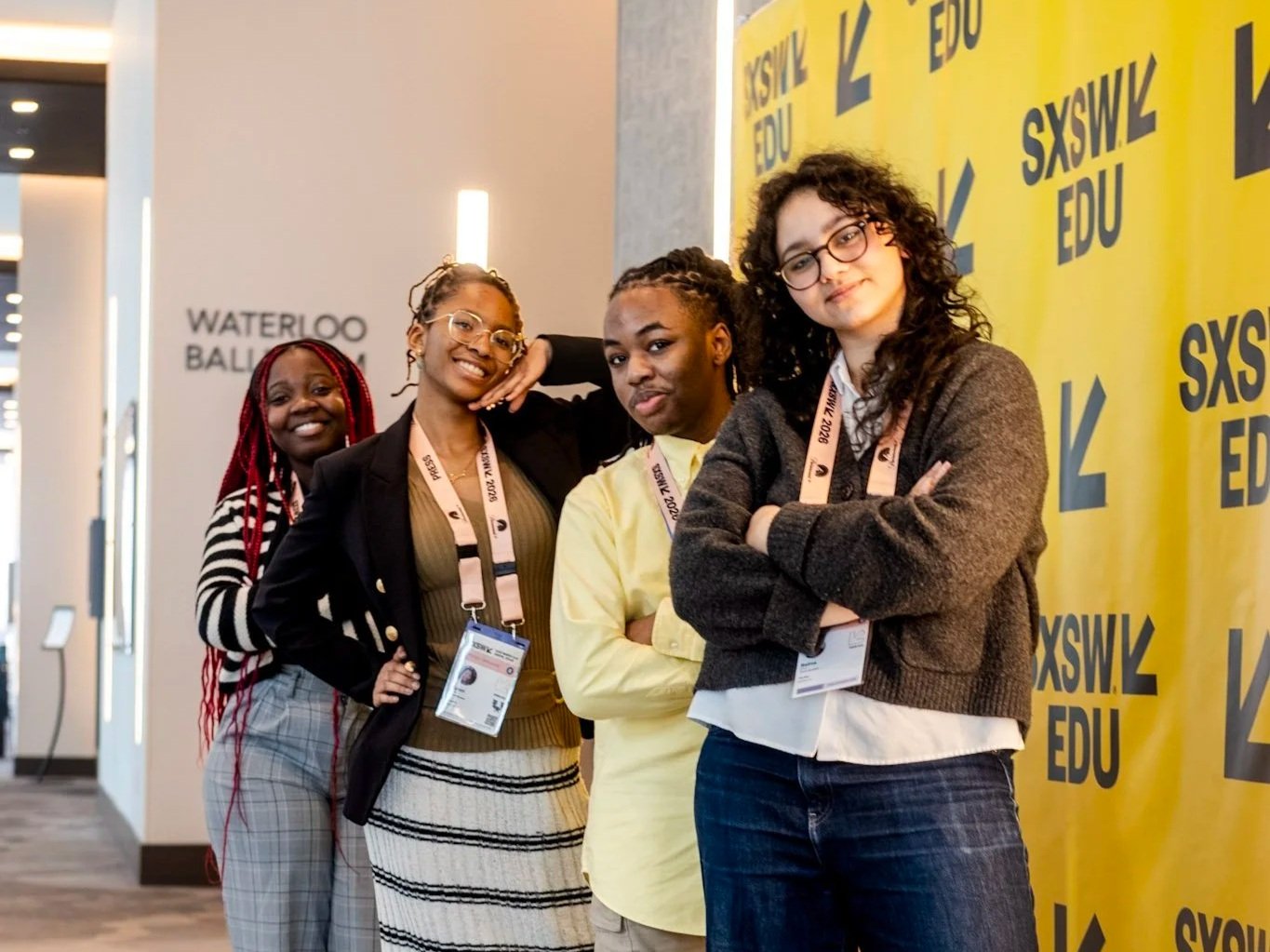
Fredlove Deshommes, Aponi Kafele, Jeremiah Dickerson and Salma Baksh (pictured from the left) strike a pose at SXSW EDU. Photo by Sabrina DuQuesnay
By Lia Caruso
Student reporters Salma Baksh, Fredlove Deshommes, Jeremiah Dickerson and Aponi Kafele traveled with members of The Bell’s staff to Austin, Texas, from March 8-11. There, they took part in SXSW EDU, one of the country's largest education conferences.
During an action-packed couple of days, they spoke on a panel, networked with policymakers and journalists and built community with other young changemakers from across the country.
Read on to learn more about what The Bell got up to in Austin.
Day 1: Recording live from a national stage
On the first full day of the conference, The Bell’s team hit the ground running with a live-recorded episode of the Miseducation podcast on how its student reporting is making a real impact.
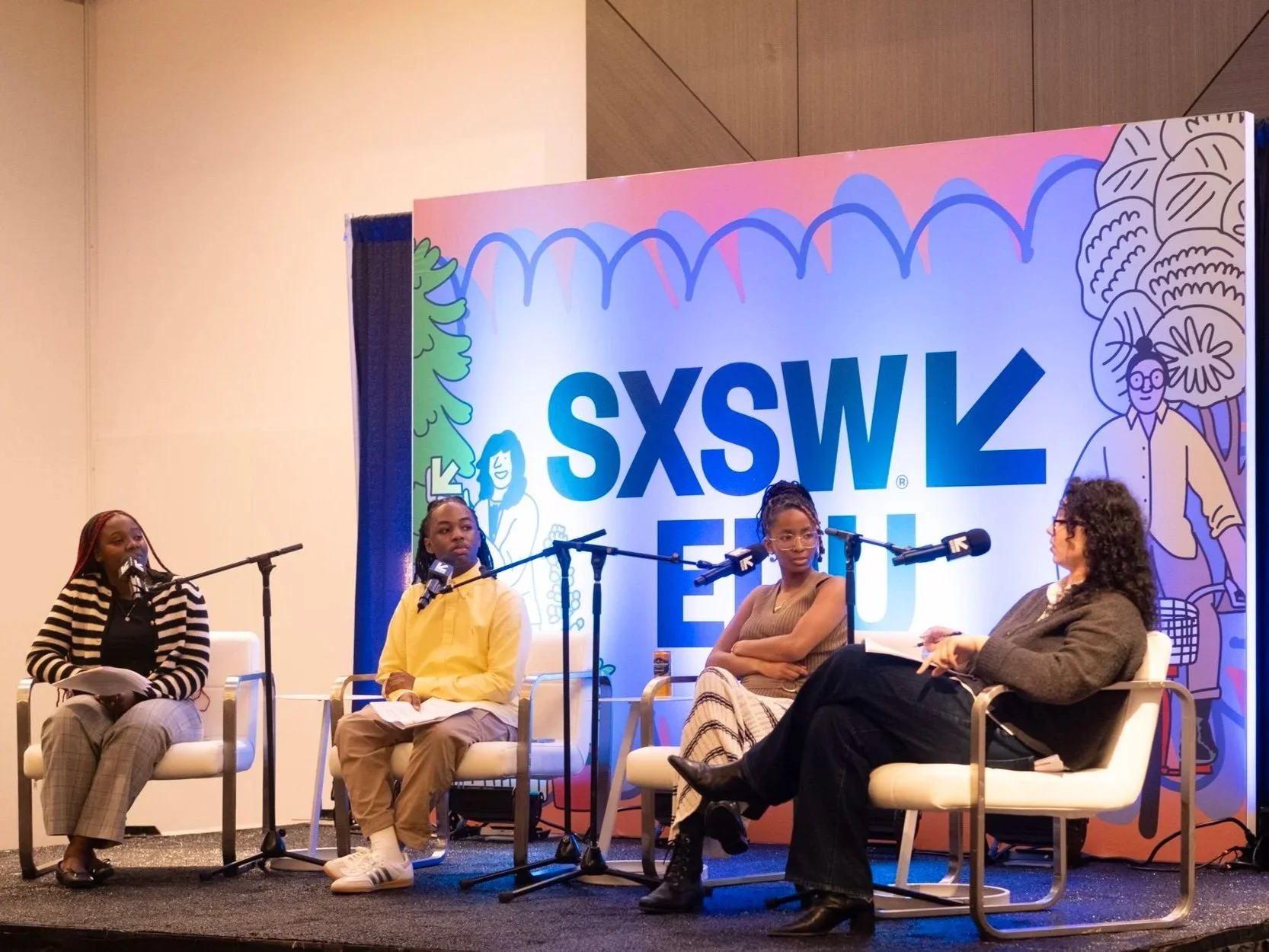
Salma moderates The Bell’s panel about student journalism’s impact on school communities. Photo by Sabrina DuQuesnay
Aponi shared how her P.S. Weekly episode prompted her school to finally install a composting program. Jeremiah spoke about how his Miseducation video essay helped lead his school’s administration to change its system for awarding students with makeup credits. And Fredlove described how her reporting about disparities in access to student journalism opportunities in New York City inspired her to become one of the leading student voices of the Youth Journalism Coalition.
To close the conversation, the four panelists shared practical advice for adults on how to better support youth voice and student journalism.
“[Student voice is] about facilitating a culture of empowering students, of walking with them, of inviting them to the table,” Salma said.
In the afternoon, Fredlove took part in another panel presented by the Siegel Family Endowment, titled “CTRL+ALT+LEARN: Rebooting School for the AI Generation.”
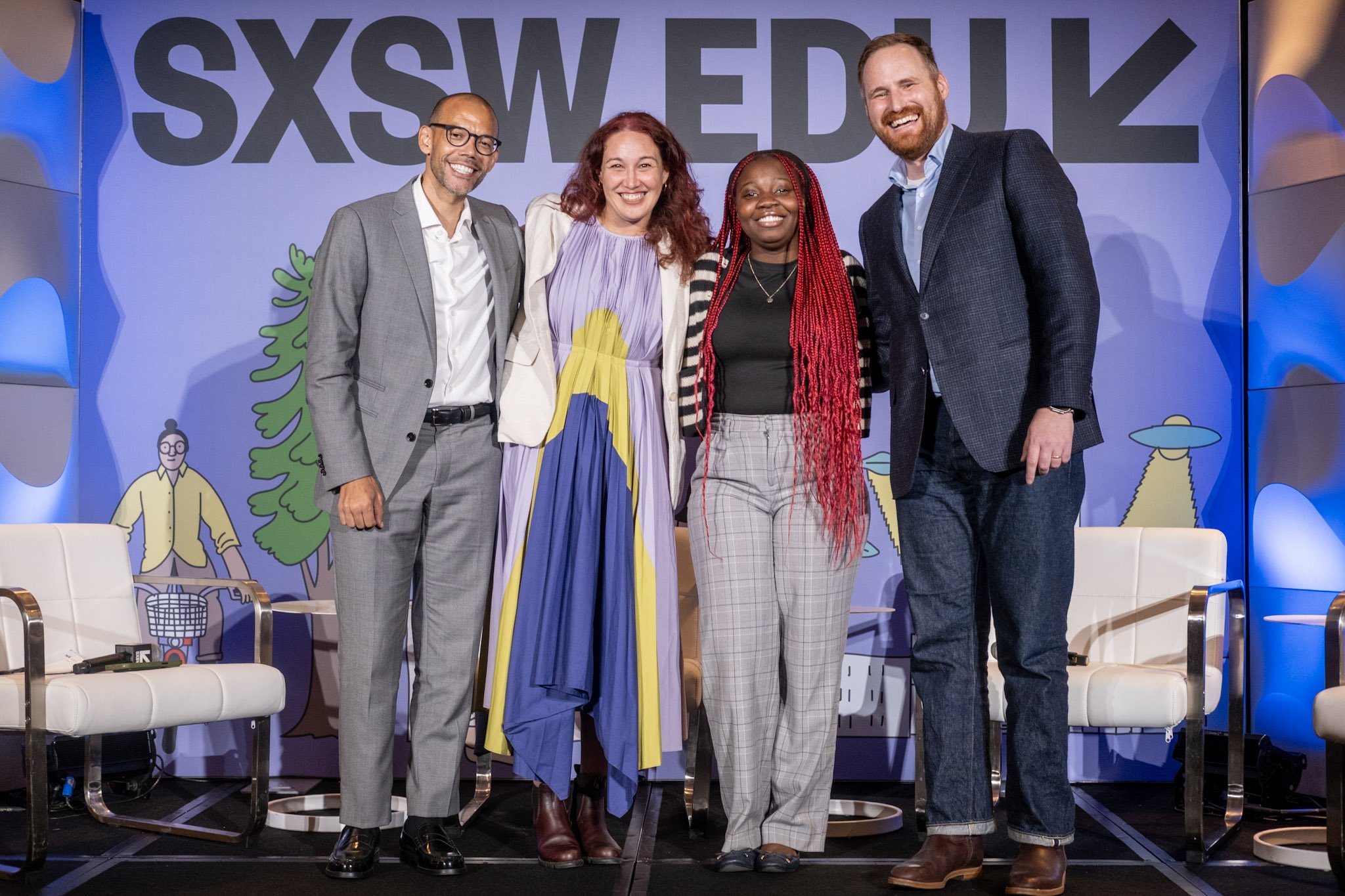
Joshua Elder, Katie Boody Adorno, Fredlove Deshommes and Jake Baskin (pictured from the left). Photo by Sabrina DuQuesnay
Moderated by Joshua Elder, senior vice president and head of grantmaking for the Siegel Family Endowment, the conversation also featured Katie Boody Adorno, CEO and co-founder of Leanlab Education, and Jake Baskin, executive director of the Computer Science Teachers Association.
Fredlove shared her insights as a student navigating the constantly developing AI landscape. She also stressed the importance of teaching young people the critical thinking skills to be able to use AI as a learning tool rather than a crutch.
Day 2: Soaking up the conference
The next morning, the students joined the Walton Family Foundation for a breakfast conversation where high school and college student attendees engaged with findings from the Gallup 2025 Voices of Gen Z Study and participated in an insightful discussion about youth activism, entrepreneurship and civic engagement.
“Student voice isn’t supplemental. It’s core.”
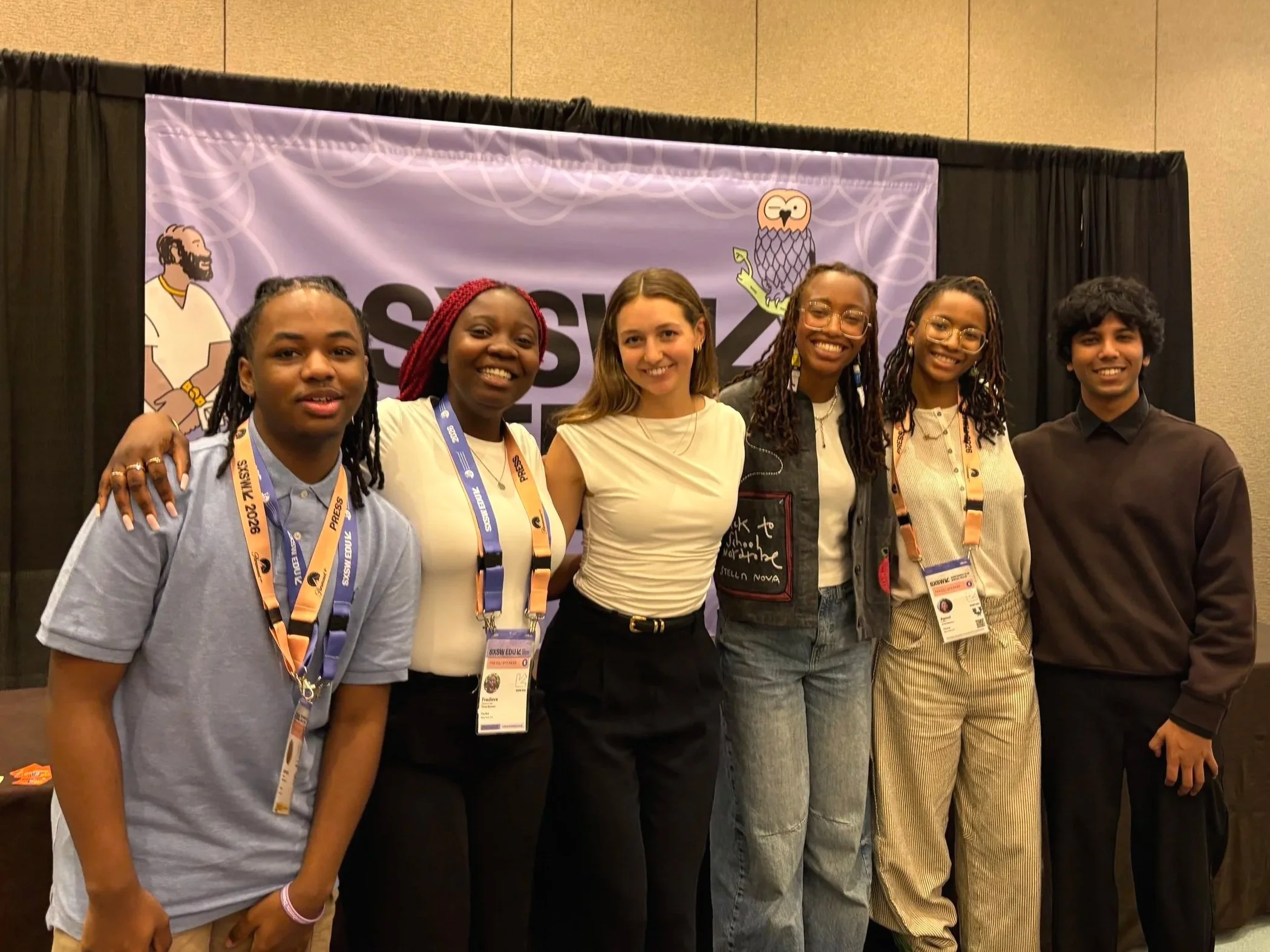
The Bell’s students pose with the youth leaders of Civics Unplugged. Photo courtesy of Aponi Kafele
Then, the team grabbed lunch with The Bell’s advisory board member, Chandler Patton Miranda, a professor of education at Molloy University. She was at the conference to present her research, which investigates how to create supportive learning environments for recently arrived immigrant youth.
In the afternoon, the group attended a workshop called “Teaching Civic Innovation for an Age of Abundance” led by the nonprofit Civics Unplugged. They participated in a “solvathon” activity, working together to come up with fixes to real-world public health issues. Afterwards they bonded with the youth-led Civics Unplugged team.
Day 3: Reimagining Education at Youth-Takeover Day
To close out the visit to Austin, The Bell’s team partnered with NPR, PBS News Student Reporting Labs and the Siegel Family Endowment to lead a full morning and afternoon of youth-centered programming titled “Youth Takeover Day.”
Salma’s vision brought the day to life. She pitched and spent months developing the idea for this youth-centered space after wishing it had been easier to connect with other young conference-goers when she attended SXSW EDU the previous year.
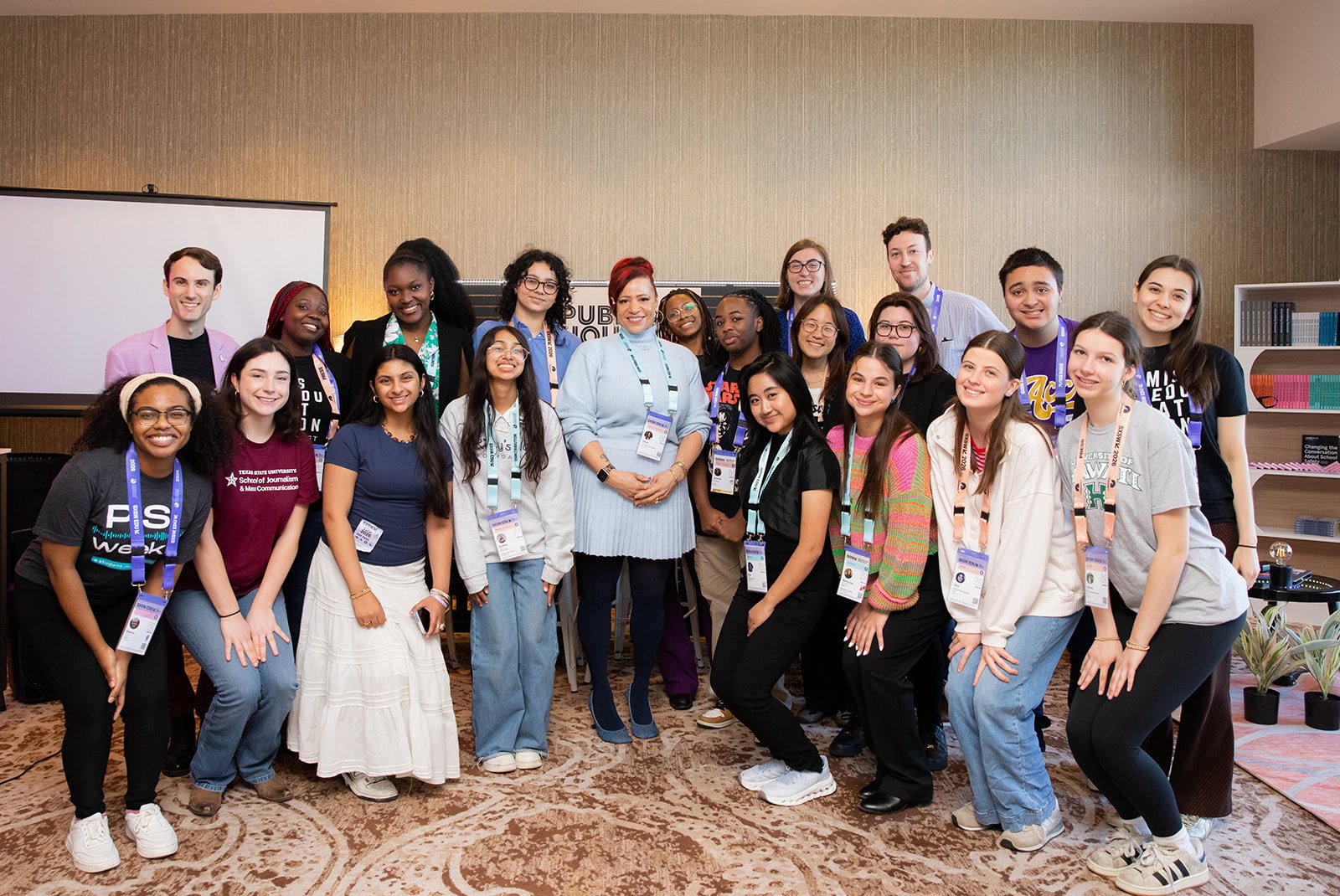
Youth Takeover Day participants pose with Pulitzer Prize-winning journalist Nikole Hannah-Jones. Photo by Chloe Bertrand
The morning featured a storytelling workshop led by PBS Student Reporting Labs’ Wyatt Mayes and Christine Zirneklis, and an interviewing workshop facilitated by NPR’s Janet Woojeong Lee.
Later, participants got a surprise visit from Nikole Hannah-Jones, the Pulitzer Prize-winning journalist behind “The 1619 Project,” who answered questions about her career and shared advice for pursuing journalism.
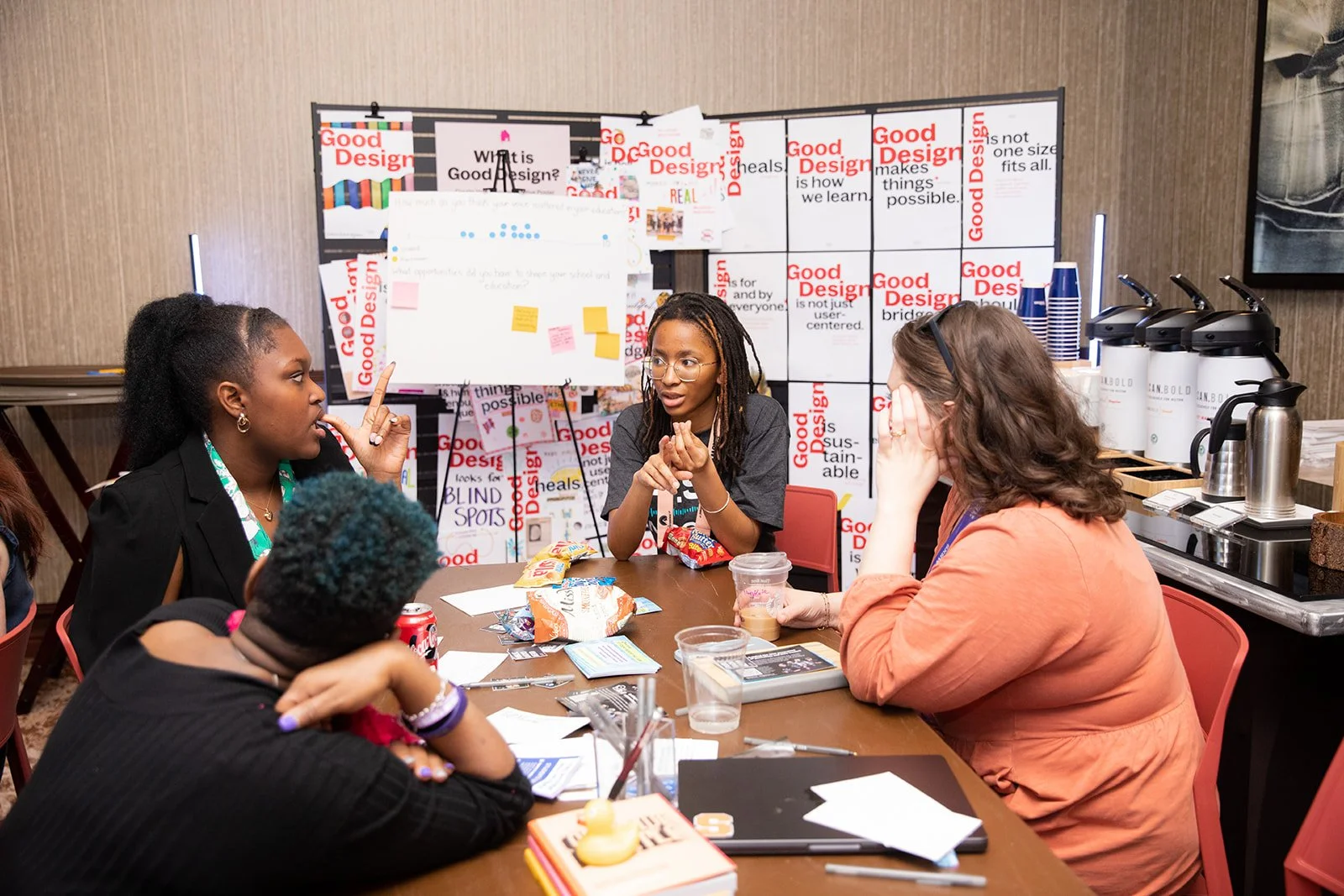
Students and professionals discussing solutions to problems in K-12 education. Photo by Chloe Bertrand
In the afternoon, Salma led a workshop that brought students and K-12 education practitioners from a range of professional backgrounds into conversation about the challenges facing schools today and the solutions young people want to implement. The room buzzed with the voices of multiple generations coming together to exchange ideas and explore possibilities side by side.
Reflecting on the day, Salma shared, “We put students and practitioners directly in conversation with one another about the future of education, showing that student voice isn’t supplemental. It’s core.”
The importance of youth exchange
The conference was an eye-opening, impactful experience for Fredlove, Jeremiah, Salma and Aponi. One of the main takeaways they shared was the value of engaging meaningfully with other young people from across the country.
“[The conference] allowed me to connect with students across the U.S. who are working to address issues like food insecurity, censorship, even AI use in cancer research, which broadened both my understanding and belief in student voice and power,” Fredlove said.
Salma also reflected on the significance of these connections:
“It's been incredibly empowering to create a space where young people across the nation can connect. I've left [SXSW EDU] more inspired about the future of education and more connected to the people who are working to build it.”
Altogether, SXSW EDU was a meaningful opportunity to partake in conversations that affirmed the power of young people to shape the future of education.
The Bell’s travel to the conference was generously supported by the Siegel Family Endowment.